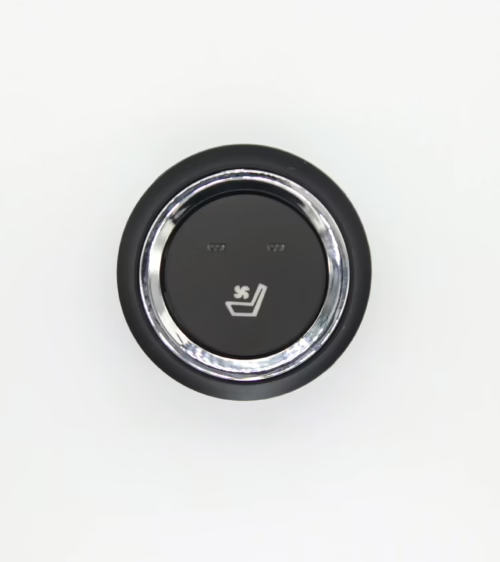
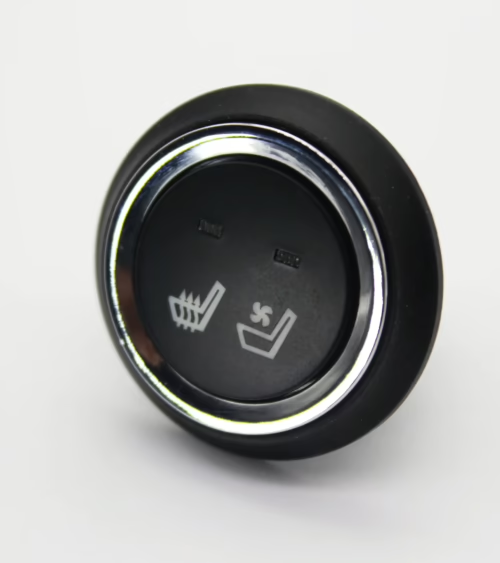
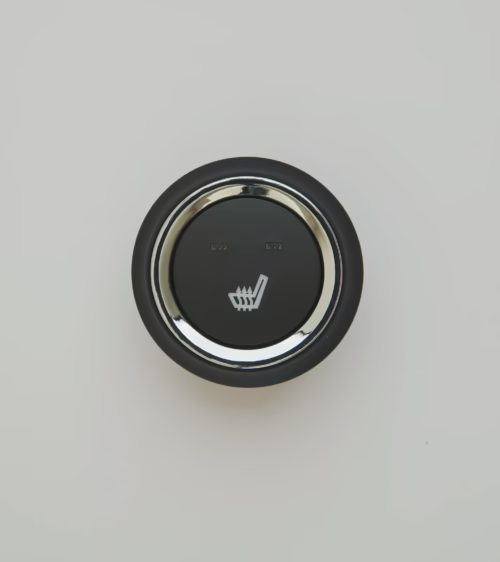
Choosing between a heated seat kit vs heated seat cover comes down to one question:
- do you want heat built into the seat
- or heat that sits on top of it? Both products use a resistive element to warm the person in the seat. They differ in where that element sits
- how it draws power
- how it is controlled
- how it affects the seat’s airbags and occupant sensors. These differences matter if you are a driver upgrading one vehicle
- a fleet manager choosing cold-weather equipment
- or a distributor deciding which products to stock.
This guide compares the two options in six technical areas so you can match the right product to the vehicle, the user, and the budget.
1. Where the Heating Element Sits
A heated seat kit puts thin heating pads directly under the upholstery. One pad is bonded to the foam of the seat cushion and a second to the backrest. The original leather, vinyl, or cloth trim cover is then pulled back over the top.
The element is usually carbon fiber yarn or fine alloy wire, laminated into a nonwoven carrier with an adhesive backing. Once the kit is installed, only the switch is visible.
A heated seat cover is a self-contained cushion with the element sewn between layers of fabric. It straps over the existing seat with elastic bands, hooks, or a back flap, and the occupant sits on top of it.
Most of the other differences follow from this placement:
- Fit and appearance: A kit keeps the factory seat shape, stitching, and bolster profile. A cover adds a layer of padding, often 10–20 mm thick, which changes the seating position and can shift or bunch up as people get in and out.
- Other seat features: With a properly installed kit, lumbar adjusters, perforated trim, and ventilation channels still work. A cover blocks them.
2. Heating Performance and Temperature Control
Both products rely on Joule heating, where current passing through a resistive conductor turns into heat. The engineering around the element, however, is very different.
Kit pads that go under the upholstery are commonly rated at about 35–55 W per seat on the high setting. That is roughly 3–4.5 A at a running voltage of about 13.5 V.
Heat has to pass through the trim material, so a good kit usually takes a few minutes to warm the surface to a comfortable temperature. Most kits have a bimetal thermostat or a thermistor in the pad.
It caps the maximum temperature and keeps the pad from overheating if the switch is left on.
Seat covers place the element closer to the body, so they can feel warm sooner. Heat tends to spread less evenly, though.
Budget covers often have only a simple on/off or two-step controller on the power cord and little thermal protection, which can create hot spots on the cushion.
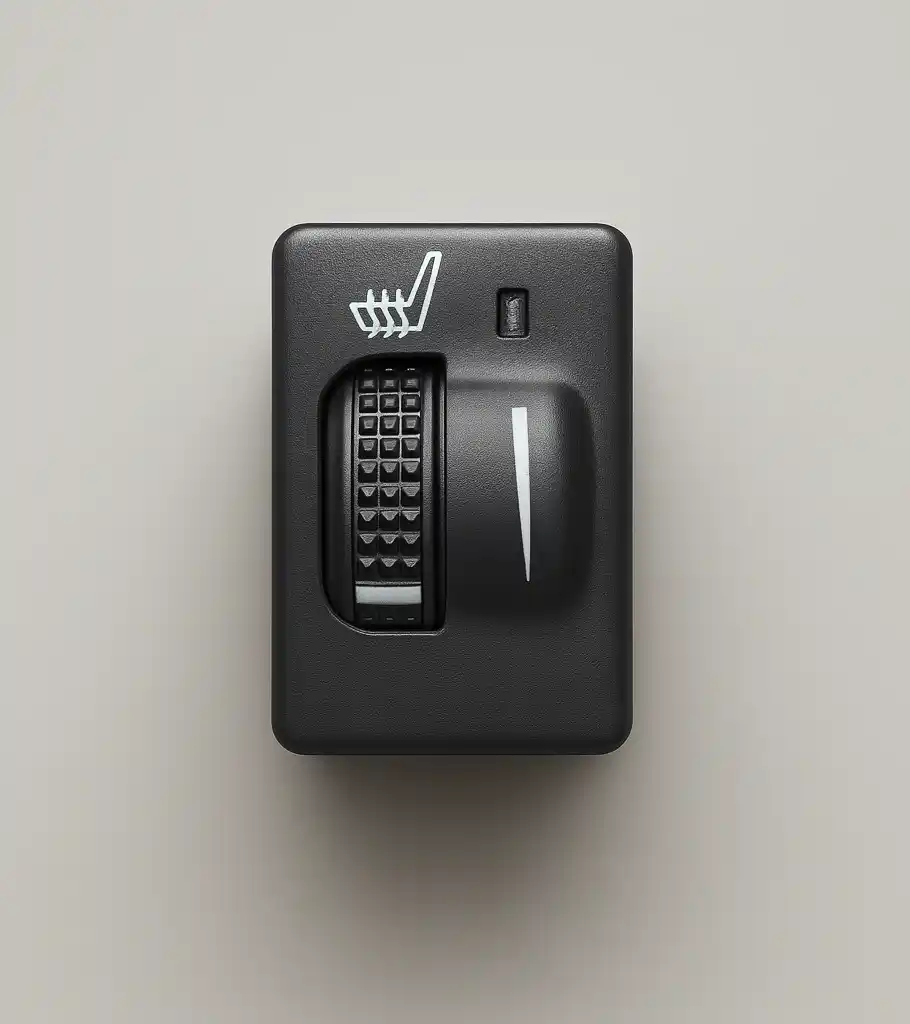
Control is another key difference. A kit is wired to a switch on the dash or console, usually with high/low or multi-level settings and an indicator LED.
Better systems use a control module that reads a thermistor and holds a set temperature, instead of just switching power on and off.
If you need a switch for an existing kit or want to replace worn hardware, our replacement seat heater switches include common rocker, round, and multi-level styles.
A cover’s inline controller, on the other hand, hangs loose near the footwell or console, where it is easy to kick or snag.
3. Power Supply and Electrical Load
A heated seat cover plugs into the vehicle’s 12 V accessory socket. That is convenient, but it has limits:
- Accessory sockets usually have a 10–20 A fuse. Running two covers and a phone charger from one splitter can blow the fuse or overheat a worn socket.
- In many vehicles the socket stays powered when the ignition is off, so a cover left on can drain the battery overnight.
- The cord runs across the console or door sill, where it can be pinched, worn through, or caught by the seat track.
A heated seat kit is hardwired. A typical harness has an inline fuse, a relay, and a trigger wire tied to the ignition. The heaters draw power from the battery circuit but only work when the vehicle is running or in accessory mode.
A two-seat kit on high usually draws about 7–10 A, which a modern alternator handles easily. Heavy trucks and buses with 24 V systems need kits rated for 24 V. A 12 V pad on a 24 V supply will overheat.
4. Installation Effort and Vehicle Compatibility
Here a seat cover clearly wins. It goes on in minutes, needs no tools, and moves easily from one vehicle to another.
A heated seat kit takes real work. A typical installation looks like this:
- Disconnect the battery and wait as long as the service manual specifies before unplugging any seat airbag or sensor connectors.
- Remove the seat, then release the trim cover by removing hog rings, J-clips, or plastic retainers.
- Clean the foam and apply the cushion and backrest pads, routing them around seat seams and the channels that hold the trim’s listing wires.
- Route the harness under the seat, connect power, ground, and the relay, and mount the switch.
- Reinstall the trim, reconnect the seat, and check that the heaters work and no dash warning lights are on.
An experienced installer can usually finish both front seats in two to four hours. Most cloth and leather seats with removable trim covers are compatible. On deeply contoured sport seats you may need to trim the pads, but only in the margin with no element in it.
Cutting through a heating trace breaks the circuit. Seats with factory ventilation need pads designed for perforated trim so airflow is not blocked.
5. Safety: Airbags, Occupant Sensors, and Materials
Safety is the part of this comparison people most often overlook. Many modern seats have a side airbag in the outer bolster that deploys through a tear seam in the trim. A seat cover that wraps around the bolster can block or redirect the airbag.
That is why many vehicle manufacturers warn against covers that are not specifically designed for seats with airbags.
The front passenger seat also usually has an occupant classification system. This is a pressure mat, bladder, or strain-gauge sensor that tells the airbag controller whether the seat holds an adult, a child, or no one, in line with FMVSS 208 occupant protection requirements.
An extra cushion layer changes the pressure the sensor reads. When installing a kit, the installer must keep the pads from overlapping or damaging the sensor mat. Afterward, they must check that the passenger airbag status indicator and the SRS warning light work correctly.
Material and electrical quality matter too:
- Interior materials should meet the FMVSS 302 flammability requirements.
- Every heater circuit should have a fuse and a temperature limit.
- Carbon fiber elements handle repeated flexing better than thin resistance wire. Wire can fatigue and break, and the break becomes a local hot spot.
A seat cover flexes every time someone sits down, and covers are often folded for storage. Both wear out the element faster. Kit pads are bonded to the foam and protected by the trim cover, so they see far less mechanical stress.
6. Durability, Cost, and Long-Term Value
Seat covers are cheap to start with, usually $25–$80 each at retail. They make sense for a leased vehicle, a short-term need, or a driver who changes cars often. Their weaknesses show over time:
- worn fabric
- frayed cords
- failed controllers
- loose straps. Many covers last only a few winters of daily use.
A quality heated seat kit costs more up front, for the hardware and for labor if a shop installs it. In return you get a factory-style result that often lasts as long as the seat, adds no clutter, and can help resale value in cold-climate markets.
For fleets, upfitters, and dealers, kits also give every driver the same experience and remove the loose-cord problems of plug-in accessories.
A simple way to decide:
- Choose a heated seat cover if you need a temporary, portable option with no installation, and the seat has no side airbag where the cover would wrap.
- Choose a heated seat kit if you plan to keep the vehicle, want a built-in switch and hardwired power, have perforated or ventilated seats, or are outfitting several vehicles.
To compare pad types, harness options, and switch styles side by side, you can browse our complete line of seat heating products and see what fits your application.
Frequently Asked Questions
Is a heated seat kit safe to install in a seat with a side airbag?
Yes, if it is installed correctly. The pads go on the cushion and backrest foam and must stay clear of the airbag module and its tear seam in the bolster.
Always disconnect the battery, follow the vehicle’s service procedures for SRS parts, and make sure the airbag warning light is off after you put the seat back together.
Do heated seat covers drain the car battery?
They can. A cover runs off the 12 V accessory socket. In vehicles where that socket stays powered with the ignition off, a cover left on can drain the battery overnight. A hardwired kit with an ignition-switched relay avoids this problem.
Can a heated seat kit be installed in leather seats?
Yes. Kits work under leather, vinyl, and cloth. Leather absorbs more heat, so it warms a little more slowly. A pad with enough wattage and a reliable thermostat gives the best result. Perforated leather needs pads designed to leave the perforations open.
Lucky Driver Inc. supplies seat heating pads, seat heater switches, control modules, and seat ventilation systems to OEM seat manufacturers, upfitters, and aftermarket distributors across North America. If you are weighing a heated seat kit vs heated seat cover for your product line or fleet, contact Lucky Driver Inc.
for technical specifications, volume pricing, and application support.
Related Articles
- Two Seat Heated Seat Kit: 6 Things to Check Before Buying
- Heated Seat Pad Kit Installation: 7 Steps to Get It Right
- Universal Heated Seat Kit 12V: 7 Things to Check in 2026
- Carbon Fiber Heated Seat Kit: 7 Facts Buyers Should Know
- Heated Seat Kit With Switch: 7 Things to Know in 2026
Frequently Asked Questions About heated seat kit vs heated seat cover
Procurement engineers evaluating heated seat kit vs heated seat cover for OEM programs regularly ask the following questions. Answers cover specification, compatibility, certification, and sourcing for heated seat kit vs heated seat cover requirements.
What voltage ratings are available for heated seat kit vs heated seat cover?
Standard heated seat kit vs heated seat cover configurations support 12 V DC for passenger vehicles and 24 V DC for commercial trucks. Selecting the correct heated seat kit vs heated seat cover voltage at the design stage eliminates harness rework later.
Lucky Driver maintains heated seat kit vs heated seat cover inventory in both ratings for same-week shipment.
Which certifications apply to heated seat kit vs heated seat cover production?
heated seat kit vs heated seat cover assemblies entering OEM programs typically require UL recognition, REACH compliance, and RoHS documentation. Lucky Driver holds certification records for every heated seat kit vs heated seat cover variant and includes copies with sample and production shipments.
How is watt density specified for heated seat kit vs heated seat cover?
Watt density for heated seat kit vs heated seat cover is expressed in W/cm² and ranges from 0.04 to 0.12 depending on heat-up time requirements. Lower watt density heated seat kit vs heated seat cover designs improve element longevity, while higher values suit cold-climate applications.
Lucky Driver engineering reviews heated seat kit vs heated seat cover requirements and recommends watt density based on your seat platform.
What connector families are used with heated seat kit vs heated seat cover?
heated seat kit vs heated seat cover harnesses are available with Molex, TE Connectivity, and Delphi connector families. Matching the heated seat kit vs heated seat cover connector to the vehicle harness reduces assembly time and eliminates adapter cables.
Specify your harness format when requesting a heated seat kit vs heated seat cover quote from Lucky Driver.
What is the lead time for heated seat kit vs heated seat cover samples?
heated seat kit vs heated seat cover samples from Lucky Driver’s North American warehouse ship within 3 to 5 business days for standard configurations. Custom heated seat kit vs heated seat cover variants with modified pad geometry or connector pinouts require 4 to 6 weeks.
Contact Lucky Driver to confirm heated seat kit vs heated seat cover availability before submitting your engineering schedule.