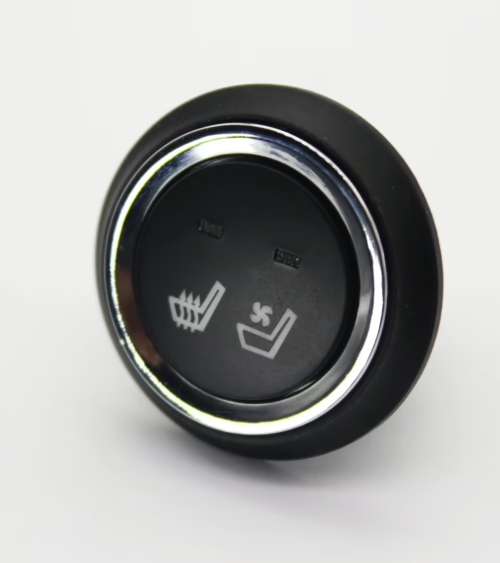
Add heated seats to car is the focus of this guide. Adding heated seats to a car that did not come with factory heated seats is one of the most popular aftermarket comfort upgrades.
The job requires a heated seat kit and about 2 to 4 hours of installation time per seat. This overview explains what is involved, what to expect from a quality installation, and how to source the right kit.
1. What You Need to Add Heated Seats to Car: Kit Contents
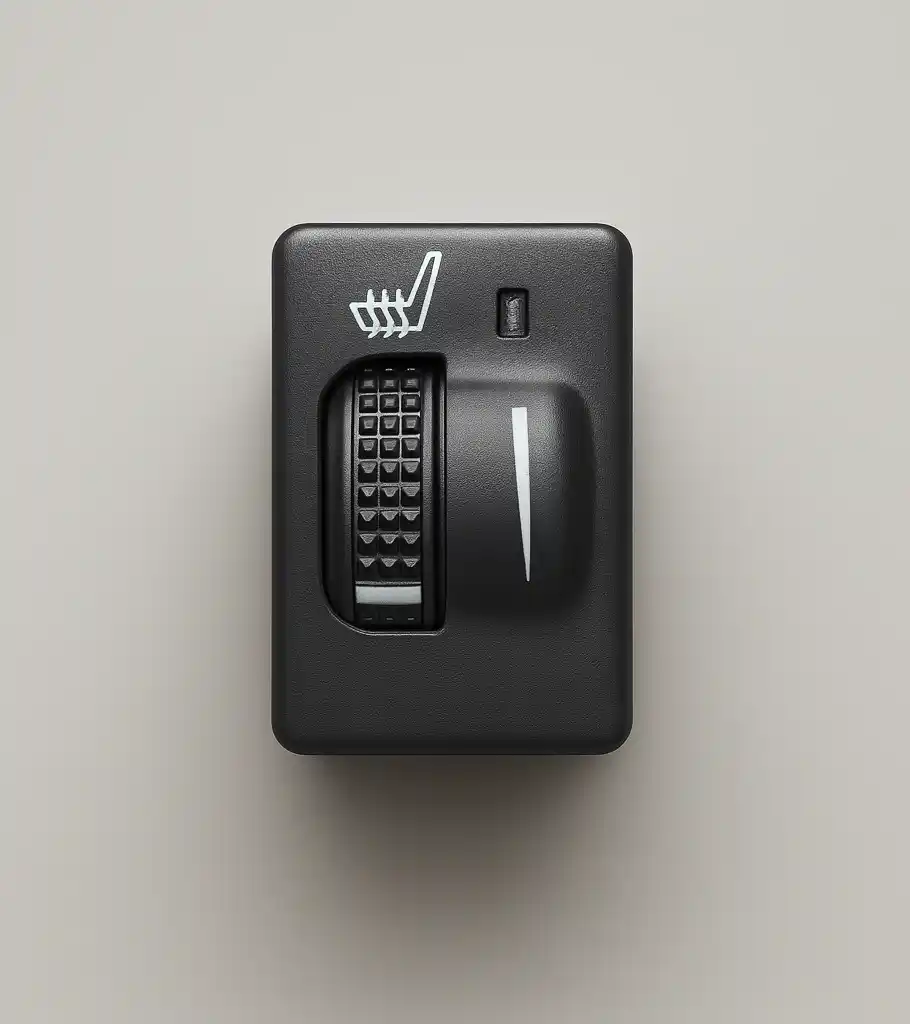
A complete aftermarket heated seat kit includes:
- a seat cushion heating pad
- a backrest heating pad
- a control switch (usually a round push-button or rocker switch)
- a wiring harness with inline fuse
- a thermistor temperature sensor
- mounting hardware (hook-and-loop tape or adhesive). Higher-quality kits add pre-assembled connectors
- labeled wires
- detailed installation instructions. Kits that are missing the harness or thermistor require the installer to source additional components and are best avoided
2. How the Heating System Works
The heating pads contain a resistance wire or carbon fiber element that converts 12V current to heat. The thermistor monitors the pad temperature and cycles the heater on and off to maintain the selected comfort level. The switch lets the occupant select from two or three heat levels.
The entire system draws between 4 and 8 amps depending on the kit specification, which is well within the capacity of any modern 12V automotive electrical system.
3. What the Installation Involves
The installation process involves:
- removing the seat from the vehicle
- partially disassembling the seat to access the foam beneath the trim cover
- attaching the heating pads to the foam surface
- routing the wiring through the seat frame
- connecting to an ignition-switched 12V circuit
- installing the switch in a suitable location. The seat does not need to be fully re-upholstered — in most cases the trim cover is temporarily lifted
- the pads are installed underneath
- the trim is re-secured. Professional installation typically takes 1.5 to 2.5 hours per seat
4. DIY vs. Professional Installation
Heated seat kits can be installed by confident DIYers with basic mechanical ability and electrical knowledge. The critical steps — correct thermistor placement, proper wire routing away from moving parts, and connection to an ignition-switched circuit — require care but not specialized tools.
For vehicles with seat-integrated side airbags, professional installation is strongly recommended, as the seat must be disassembled correctly to avoid triggering the airbag system. Most automotive upholstery shops and mobile installation services offer heated seat installation as a standard service.
5. What It Costs
A quality aftermarket heated seat kit for one seat (cushion and backrest) typically costs between $30 and $80 depending on element type and kit quality. Carbon fiber element kits cost more than resistance wire kits. Professional installation labor typically adds $80 to $150 per seat depending on vehicle complexity.
Total installed cost per seat ranges from approximately $110 to $230 for a professional-quality result. DIY installation eliminates the labor cost but requires 2 to 3 hours of time per seat.
6. Choosing the Right Kit
Key factors in kit selection:
- element type (carbon fiber heats faster and more evenly
- resistance wire is more durable and cost-effective)
- switch quality (sealed switches last longer)
- harness quality (correct wire gauge and fuse sizing)
- whether the kit includes a thermistor. Lucky Driver Inc. supplies aftermarket heated seat kits in both resistance wire and carbon fiber configurations
- complete with sealed switches
- properly sized harnesses
- thermistor assemblies. Contact us for kit specifications and wholesale pricing
Shop Heated Seat Kits at Lucky Driver Inc.
Lucky Driver Inc. supplies complete aftermarket heated seat kits for DIY and professional installation. Available in standard and premium configurations. Visit our shop or contact us to discuss your vehicle application.
Passenger Comfort Standards and Target Temperature Specifications
The thermal comfort target for automotive heated seats is defined by human factors research and comfort standards. ISO 14505 specifies thermal environment assessment for vehicle occupants.
Research indicates that the preferred seat surface temperature range for most occupants is 34 to 40 degrees C (93 to 104 degrees F) at ambient temperatures between 0 and -10 degrees C. Above this range, occupants report discomfort from excessive heat; below this range, the seat does not provide meaningful warmth benefit.
The comfort target narrows at low ambient temperatures — occupants in very cold environments prefer higher seat surface temperatures than occupants in mild conditions. OEM seat heater programs specify target temperature ranges with tolerances and verify conformance through controlled chamber testing with human subject evaluation panels and thermal manikin measurements.
Aging and Degradation of Seat Heating Components
All seat heating components degrade over the vehicle service life. Heating elements gradually increase in resistance as the conductive material oxidizes — for resistance wire elements, this is a slow process well within acceptable limits over 10 to 15 years.
Thermistors drift in calibration as the NTC material ages, typically in the direction of lower resistance at a given temperature, which causes the controller to cut off at a slightly lower actual surface temperature over time.
Wiring insulation becomes brittle with thermal cycling, particularly near high-temperature elements, increasing the risk of insulation cracking at articulation points. Controllers degrade primarily through electrolytic capacitor aging, which affects the stability of voltage regulation.
Specifying components with service life targets beyond the vehicle warranty period ensures the system performs correctly throughout the expected ownership period.
Customization Options for OEM and Aftermarket Programs
Seat heater kit customization allows customers to match the product precisely to their application requirements rather than accepting a standard catalog configuration. Key customization options available from a capable seat heater supplier include:
- custom pad geometry to fit specific seat foam profiles
- custom element wattage and resistance to meet specific thermal performance targets
- custom wire length and connector type to integrate with existing vehicle harness architecture
- custom switch design with specified illumination color and icon style
- custom packaging with customer branding for wholesale and retail distribution programs
Customization typically involves non-recurring engineering costs for tooling and validation, which are amortized over production volume. Lucky Driver Inc. supports customization across all seat heater product lines and can quote tooling and unit pricing for specific program requirements.
Certifications and Test Reports Available to Customers
Customers sourcing seat heater components for OEM programs have a right to request test reports and certification documentation before approving a supplier. Specifically useful documentation includes:
- component material test reports showing compliance with REACH and RoHS requirements
- electrical safety test reports covering thermal cutoff device performance and dielectric strength
- automotive environmental test reports covering thermal cycling
- humidity
- vibration per applicable standards
- element endurance test data showing cycle life under representative duty conditions
A supplier who cannot produce these documents is either not testing to automotive standards or not retaining the test records — either is a red flag for a program that requires documented qualification evidence. Lucky Driver Inc.
maintains a qualification test documentation package for all product lines and can provide relevant test reports under non-disclosure agreement for qualified OEM program customers.
Frequently Asked Questions: How to Add Heated Seats to Car
What type of cars can have heated seats added aftermarket?
Virtually any 12V passenger car, truck, or SUV can have heated seats added aftermarket, provided the vehicle has adequate electrical system capacity for the additional load. The installation requires:
- sufficient room under the seat trim cover for the heating pad (most standard seats have adequate space)
- an accessible location to mount the control switch
- a nearby fuse panel circuit to supply power. Vehicles with seat-integrated side airbags require additional care during installation to avoid disturbing the airbag system
Will adding heated seats affect my gas mileage?
The electrical draw of a typical heated seat system (5 to 10 amps at full heat for both front seats) increases alternator load by approximately 60 to 120 watts.
This represents a fuel economy impact of less than 0.5 percent on most vehicles — essentially unmeasurable in real-world driving. The impact is further reduced because most drivers do not use heated seats at full heat for extended periods.
Using heated seats instead of raising cabin heating temperature for comfort may actually improve fuel economy in some vehicles by reducing HVAC system load.
Can heated seats be added to a leased vehicle?
Adding aftermarket heated seats to a leased vehicle requires checking the lease agreement for restrictions on modifications. Most lease agreements prohibit permanent modifications that cannot be removed before lease return.
A professionally installed and removable heated seat kit — one that is installed using reversible connections and does not require permanent drilling or cutting — may be acceptable. Consult with your leasing company before proceeding with any modifications to a leased vehicle.
Add Heated Seats to Your Vehicle with Lucky Driver Inc.
Lucky Driver Inc. supplies everything needed to add heated seats to any 12V passenger vehicle:
- complete heated seat kits with pads
- controller
- switch
- harness
- hardware in resistance wire and carbon fiber configurations. Our products are designed for professional installer efficiency and come with complete technical documentation. Contact us for product recommendations
- compatibility information
- pricing for single-unit or wholesale orders to support your heated seat installation program
Why Drivers Choose to Add Heated Seats to Car Aftermarket
The decision to add heated seats to car ranks among the most popular interior upgrades for vehicles in cold climates because the result — warm seats on demand — delivers daily comfort at a fraction of the cost of a heated garage or a dealer-installed OEM option.
Most drivers who add heated seats to car for the first time are surprised by how straightforward the process is when starting with a complete aftermarket kit from a reputable supplier.
Whether you are a professional installer looking to add heated seats to car as a service offering, or a DIY enthusiast doing it for the first time, today’s kits ship with every component needed to complete the job in an afternoon. Lucky Driver Inc.
supplies complete kits designed to add heated seats to car quickly and reliably, with technical support available for any vehicle-specific questions that arise during installation.
Further Reading
Our seat heater switches in stock covers rocker, rotary, and round designs.
A broader walkthrough is in our seat heater basics.
Related Articles
- Seat Heater Installation Guide
- Seat Heater Switch Replacement Guide
- Heated Seat Kit Wholesale Guide
- Seat Heater vs Seat Warmer
More About Add Heated Seats To Car
When sourcing add heated seats to car for a production or aftermarket seat program, the most important selection criteria are electrical compatibility, material certification, and supplier quality documentation.
Reliable add heated seats to car components from a qualified supplier reduce warranty risk and simplify the qualification process for both OEM and aftermarket programs. Lucky Driver Inc.
maintains North American inventory of add heated seats to car in standard and custom configurations, with same-week shipping for evaluation orders and engineering support for new program development.
Whether your application requires a drop-in replacement add heated seats to car or a custom-specified solution, Lucky Driver has the stock and technical resources to support your requirements. Contact Lucky Driver Inc. today to request samples or pricing for add heated seats to car.
Add Heated Seats To Car Buying Guide
Choosing the right add heated seats to car for your application starts with three questions: What is the operating voltage of the vehicle? What connector format does the existing harness use? And what certifications are required for the program?
Answering these before requesting quotes for add heated seats to car saves weeks of back-and-forth with suppliers and avoids costly sample iterations that do not fit the production design.
The add heated seats to car market includes both direct OEM manufacturers and distributors. OEM manufacturers of add heated seats to car typically require minimum order quantities of 500 to 1,000 units and lead times of 6 to 10 weeks for custom configurations.
Distributors of add heated seats to car stock standard configurations and can ship within one to five business days, making them the practical choice for prototype builds, replacement parts, and low-volume aftermarket programs.
When comparing add heated seats to car options across suppliers, request the following documentation with each sample submission:
- a material compliance declaration confirming RoHS and REACH compliance
- a dimensional report confirming the part meets the approved drawing
- a functional test report demonstrating correct operation across the full operating voltage range
Suppliers that cannot provide this documentation for their add heated seats to car should be deprioritized regardless of unit price, since missing documentation creates compliance risk at the OEM customer level.
Lucky Driver Inc. maintains North American inventory of add heated seats to car and can provide all required qualification documentation for OEM programs.
Whether you need a single sample of add heated seats to car for a prototype build or a production quantity with full PPAP documentation, Lucky Driver has the stock, the paperwork, and the engineering support to close your add heated seats to car requirement efficiently.
Contact Lucky Driver Inc. to request add heated seats to car samples, pricing, or technical specifications today.