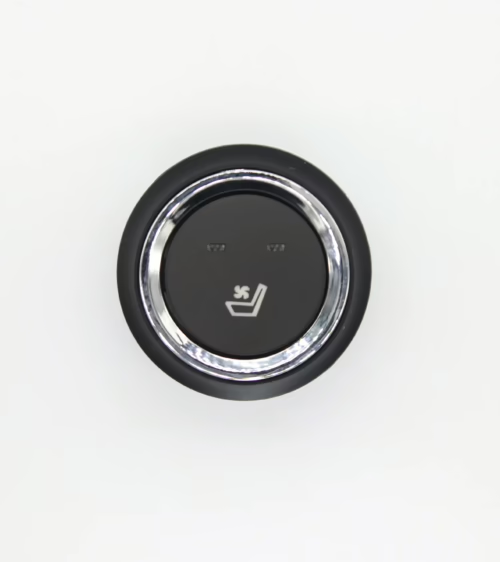
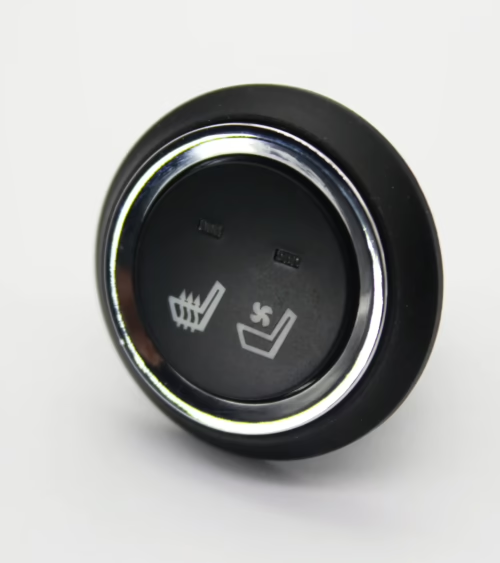
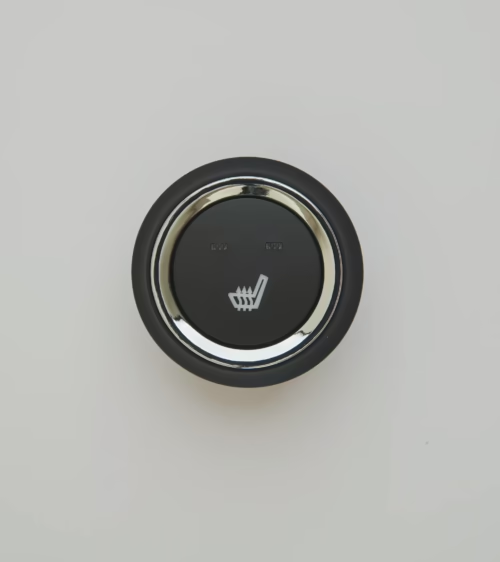
An Audi A4 heated seat switch that stops responding is one of the most common winter complaints reported by Audi owners across B8 (2009-2016), B9 (2017-2024), and current 2026 model-year A4 sedans and Allroad variants.
Whether the button illuminates but does nothing, one seat heats while the other stays cold, or the switch panel is completely dead, the underlying causes are usually narrow and repeatable.
This guide walks through the five most frequent failure points, how to test each one safely, and when a full switch or pad replacement is the more cost-effective repair than chasing intermittent faults.
Audi’s heated seat systems use a rotary or push-button switch on the center console or seat bolster that sends a low-voltage signal to a control module, which in turn regulates current to a resistive heating pad embedded in the seat cushion and backrest.
When any link in that chain degrades, the symptom often looks identical from the driver’s seat even though the root cause differs. Working through the checks in order, from simplest to most invasive, avoids replacing parts that were never actually faulty.
1. Confirm the Fault Is the Switch, Not the Pad or Module
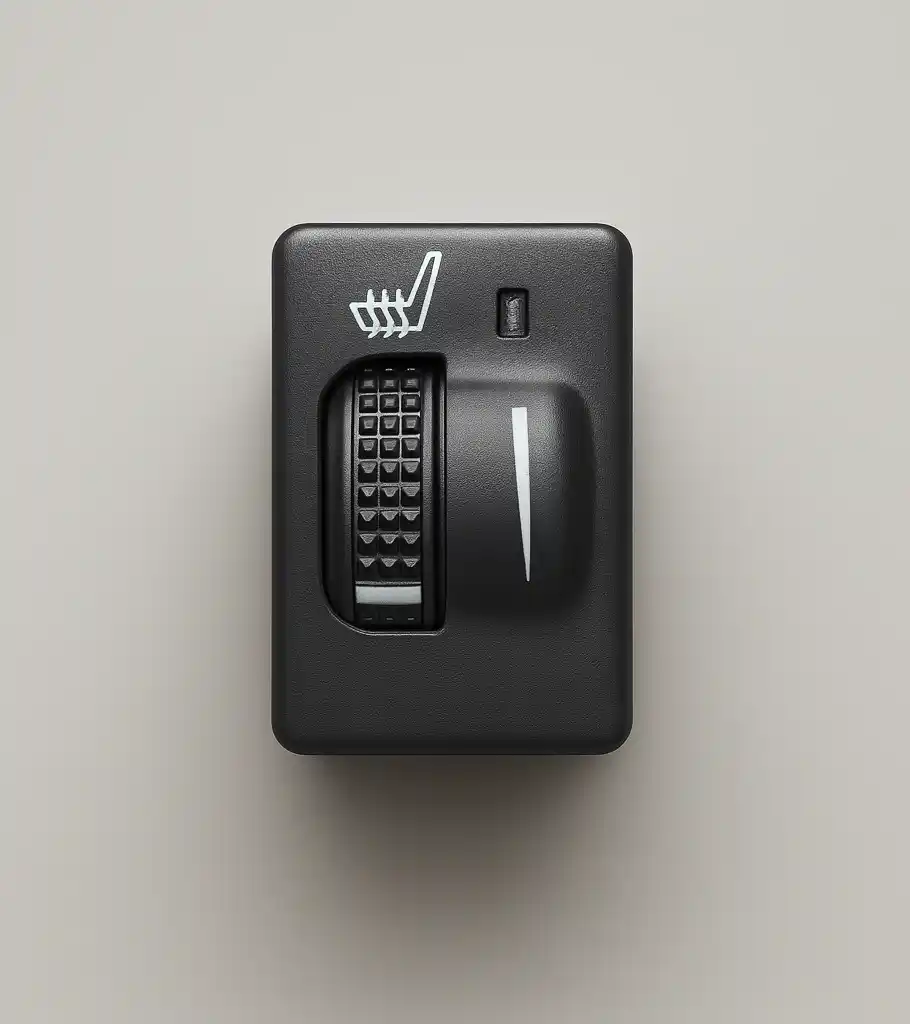
Before ordering a replacement switch, isolate which component has failed. Audi heated seat circuits generally follow this path:
- ignition power
- to the switch
- to the seat control module or heater relay
- to the heating element itself. A dead switch typically shows no LED illumination and no click or detent feel when pressed
- while a failed heating pad or wiring harness inside the seat bolster produces a switch that lights up normally but delivers no heat. If both driver and passenger switches fail simultaneously
- suspect a shared fuse or ground fault rather than two coincidentally dead switches. A multimeter check at the switch connector
- looking for steady 12V input and a changing output signal across heat levels
- is the fastest way to confirm the switch itself is bad before ordering parts.
2. Inspect the Switch Connector and Wiring Harness
Audi center console switch clusters are removed frequently for cleaning, cup holder repairs, and trim work, which makes the connector behind the switch panel a common wear point.
Repeated console removal can loosen the harness clip or slightly bend the connector pins, causing an intermittent connection that shows up as a seat heater working only when the console is pressed a certain way.
Pull the switch panel, inspect the connector for corrosion, bent pins, or a cracked locking tab, and reseat it fully.
If the harness insulation shows chafing near the console rails, that is a more likely explanation for erratic heating behavior than switch failure, and a wiring repair is far cheaper than a control module.
3. Test for Worn Internal Contacts
Rotary and rocker-style seat heater switches rely on internal contact points that degrade with tens of thousands of press cycles. Over years of daily use, these contacts oxidize or wear down, producing a switch that requires firm or repeated pressing to register a heat level change.
This is the single most common failure mode on higher-mileage A4s and is a wear item, not a defect, similar to any mechanical switch subject to electrical contact degradation from repeated cycling and environmental exposure.
Contact cleaner sprayed into the switch housing can extend life temporarily, but once contacts are visibly pitted or the switch fails to hold a setting, replacement is the only durable fix. Audi does not sell individual contact kits, so the switch assembly is replaced as a unit.
4. Check Fuses and the Seat Heater Control Module
If neither seat responds and the switches themselves test fine electrically, the fault is likely upstream at the fuse box or the seat heater control module located under the seat cushion.
Audi A4 models typically fuse the heated seat circuit separately from other cabin electronics, so a blown fuse from a seat heating element short can take out both seats without affecting anything else in the car.
Locate the correct fuse using the owner’s manual fuse chart, since fuse numbering changes between B8 and B9 generations, and visually inspect it before replacing.
If a new fuse blows again immediately, stop testing switches and inspect the heating pad wiring for a short, since continuing to swap electrical parts at that point wastes money without addressing the actual short circuit.
5. Replace the Switch with an OEM-Fit Part
Once the switch is confirmed faulty, replacement is a straightforward console-panel job that most owners can complete in under 30 minutes with basic trim tools.
Match the part number to the exact model year and trim, since Audi revised switch bezels and button layouts between the B8 and B9 generations, and using the wrong physical fit can crack the console trim during installation. Lucky Driver Inc.
stocks replacement seat heater switches engineered to OEM electrical specifications and connector pinouts, so the new switch communicates correctly with the existing control module without triggering fault codes.
Always disconnect the battery negative terminal before removing or installing any seat heater switch to avoid shorting the connector during the swap.
Preventing Repeat Failures
Once a new switch is installed, a few habits extend its service life significantly. Avoid using the seat heater as a leaning point when getting in and out of the vehicle, since lateral pressure on rocker-style switches accelerates internal contact wear.
Keep the console area free of spilled liquids, which can seep into the switch housing and cause corrosion long before mechanical wear would otherwise cause failure.
If the vehicle sees heavy winter use, consider inspecting the switch connector annually during routine maintenance, since this is the point most likely to loosen from repeated console panel removal over the vehicle’s life.
Frequently Asked Questions
Q:
- Why does only one seat heater work on my Audi A4?A: This almost always points to a single failed switch
- a bad connection at one seat’s connector
- or a damaged heating pad in that specific seat rather than a shared fault. Test the working switch in the non-working seat’s position if the switches are interchangeable
- which quickly isolates whether the switch or the seat-side wiring is at fault.
Q:
- Can I replace the Audi A4 heated seat switch myself?A: Yes. The console panel housing the switch is held by clips and one or two screws on most A4 generations
- no special tools beyond a trim panel removal tool are required. The job does not require removing the seat itself
- only the console trim piece.
Q:
- Will a bad seat heater switch trigger a warning light or fault code?A: Not typically. Heated seat circuits are generally isolated from the vehicle’s main diagnostic bus
- so a failed switch rarely sets a dashboard warning. The only symptom is usually the switch itself failing to illuminate or the seat not heating
- which is why manual testing is necessary rather than relying on the instrument cluster.
If your Audi A4’s seat heater switch is unresponsive, worn out, or delivering inconsistent heat, don’t wait for a full winter without it.
Browse Lucky Driver Inc.’s full range of seat heating products for OEM-fit switches, control modules, and heating pads built to restore reliable performance to your Audi’s seat heating system.
Related Articles
- Mercedes C-Class Seat Heater Switch: 5 Fixes (2026 Guide)
- BMW 3 Series Heated Seat Switch: 7 Fixes (2026 Guide)
- Lexus RX350 Seat Heater Switch: 5 Fixes (2026 Guide)
- VW Tiguan Heated Seat Switch: 5 Fixes (2026 Guide)
- Volkswagen Jetta Seat Heater Switch: 5 Common Fixes (2026)
Frequently Asked Questions About audi a4 heated seat switch
Procurement engineers evaluating audi a4 heated seat switch for OEM programs regularly ask the following questions. Answers cover specification, compatibility, certification, and sourcing for audi a4 heated seat switch requirements.
What voltage ratings are available for audi a4 heated seat switch?
Standard audi a4 heated seat switch configurations support 12 V DC for passenger vehicles and 24 V DC for commercial trucks. Selecting the correct audi a4 heated seat switch voltage at the design stage eliminates harness rework later.
Lucky Driver maintains audi a4 heated seat switch inventory in both ratings for same-week shipment.
Which certifications apply to audi a4 heated seat switch production?
audi a4 heated seat switch assemblies entering OEM programs typically require UL recognition, REACH compliance, and RoHS documentation. Lucky Driver holds certification records for every audi a4 heated seat switch variant and includes copies with sample and production shipments.
How is watt density specified for audi a4 heated seat switch?
Watt density for audi a4 heated seat switch is expressed in W/cm² and ranges from 0.04 to 0.12 depending on heat-up time requirements. Lower watt density audi a4 heated seat switch designs improve element longevity, while higher values suit cold-climate applications.
Lucky Driver engineering reviews audi a4 heated seat switch requirements and recommends watt density based on your seat platform.
What connector families are used with audi a4 heated seat switch?
audi a4 heated seat switch harnesses are available with Molex, TE Connectivity, and Delphi connector families. Matching the audi a4 heated seat switch connector to the vehicle harness reduces assembly time and eliminates adapter cables.
Specify your harness format when requesting a audi a4 heated seat switch quote from Lucky Driver.
What is the lead time for audi a4 heated seat switch samples?
audi a4 heated seat switch samples from Lucky Driver’s North American warehouse ship within 3 to 5 business days for standard configurations. Custom audi a4 heated seat switch variants with modified pad geometry or connector pinouts require 4 to 6 weeks.
Contact Lucky Driver to confirm audi a4 heated seat switch availability before submitting your engineering schedule.