A utv heated seat kit is one of the fastest upgrades an off-road driver can make to extend the riding season into cold mornings, high-altitude trails, and winter hunting trips.
Unlike factory automotive systems, most UTVs and side-by-sides ship with unheated cloth or vinyl seats, leaving riders exposed to wind chill that a windshield and doors alone cannot solve.
A properly matched heated seat kit adds direct-contact warmth exactly where riders need it, without taxing the vehicle’s limited electrical system.
What Is a UTV Heated Seat Kit?
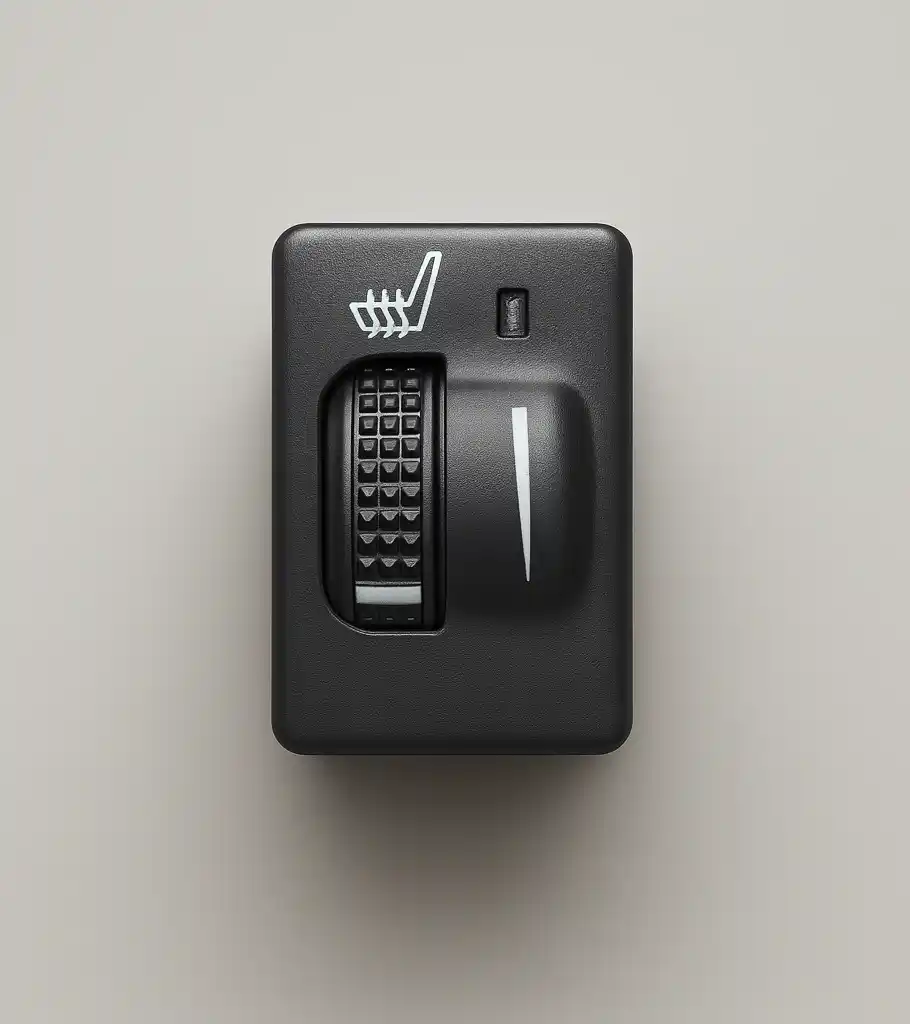
A UTV heated seat kit typically includes a pair of flexible heating pads (one for the seat bottom, one for the seat back), a control switch, wiring harness, and mounting hardware.
The pads are designed to sit under the seat upholstery or between the foam and cover, distributing heat evenly across the contact area.
Kits are sold as universal fitments that work across most side-by-side brands, since seat dimensions in the UTV market are far less standardized than in passenger vehicles.
Because UTVs run on 12V DC systems similar to cars and trucks, the same underlying heating technology used in automotive aftermarket seat heaters applies directly to off-road applications, with adjustments made for vibration resistance, moisture exposure, and mounting flexibility.
How UTV Seat Heater Kits Work
Every heated seat pad relies on resistive heating, where electrical current passing through a resistance wire or carbon-fiber element generates heat. In a UTV kit, that element is embedded in a thin, flexible pad so it can flex with the seat foam without cracking or creating hot spots.
When the driver activates the switch, current flows through the element, and a built-in temperature sensor or timer regulates output to avoid overheating the seat surface or the wiring harness.
Most kits offer two or three heat settings, allowing riders to dial back output on a mild day or run full power during sub-freezing rides.
Higher-end kits also include thermal cutoff protection, which shuts the circuit down if the pad exceeds a safe surface temperature — an important safeguard given the vibration and dust exposure typical of off-road use.
Key Components: Pads, Switches, and Wiring
The heating pads themselves are the core of the kit, but the switch and wiring determine how reliable and easy to use the system is day to day.
Quality kits use automotive-grade connectors, weatherproof switch housings, and fused circuits to protect against shorts caused by mud, water crossings, and constant flexing over rough terrain.
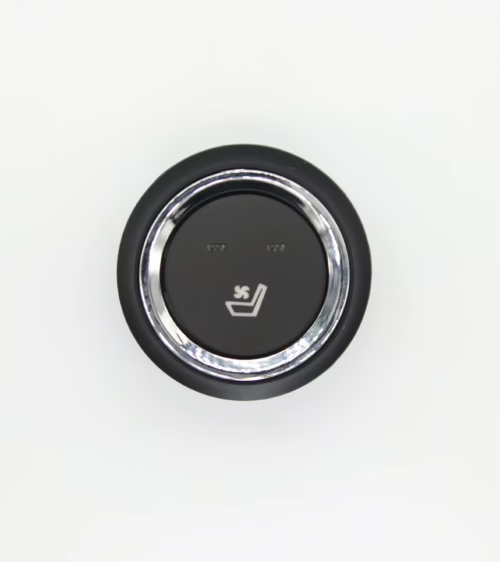
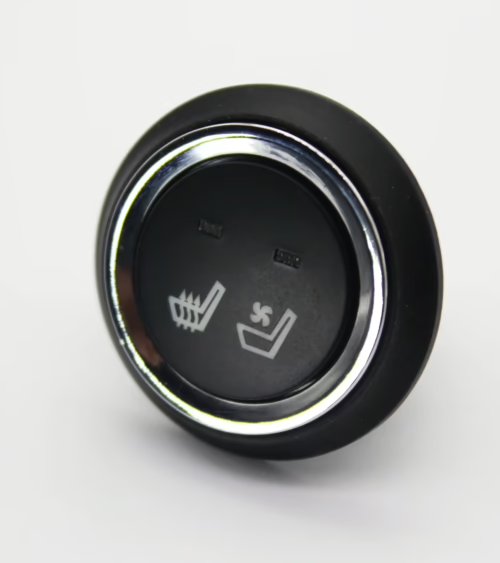
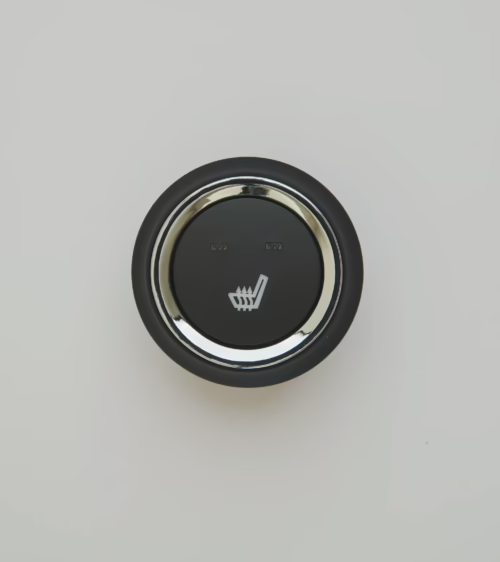
For riders replacing a worn-out or malfunctioning control, replacement seat heater switches are available separately, which is useful if the pads are still functional but the original switch has failed from dust intrusion or a cracked housing.
Wiring gauge matters more in UTVs than in passenger cars, since harnesses often run longer distances to reach the fuse box and are exposed to more abrasion. Kits with heavier gauge wire and sealed butt connectors hold up better over multiple seasons of trail use.
Power Draw and 12V UTV Electrical Systems
A typical UTV heated seat pad draws between 3 and 5 amps per seat on high, meaning a two-seat kit can pull close to 8 to 10 amps combined at peak output.
Most stock UTV charging systems can handle this load without issue, but riders running additional accessories — winches, light bars, heated grips — should check total amperage draw against the vehicle’s alternator output and available fuse capacity before adding a heated seat kit.
Installing an inline fuse rated slightly above the kit’s rated draw, and tapping into a switched 12V accessory circuit rather than a constant-hot source, prevents battery drain when the vehicle is parked. This is standard practice for any aftermarket 12V accessory and applies equally to heated seats.
Installation: What to Expect
Installing a UTV heated seat kit is a bolt-in, no-cut job on most machines.
The general process involves removing the seat from the vehicle, pulling back the upholstery cover enough to slide the heating pad against the foam, securing the pad with the included adhesive or hook-and-loop backing, and routing the wiring harness to the switch location on the dash or center console.
Most installs take 30 to 60 minutes per seat for a rider with basic hand tools.
- Remove seat bolts and disconnect the seat from the chassis
- Peel back the seat cover along the factory seam or hog rings
- Position and secure the heating pad against the foam, bottom and back
- Re-secure the cover and reinstall the seat
- Route wiring to a switched 12V source and mount the switch
Riders less comfortable pulling upholstery can opt for seat-back kits designed to sit over the existing cover rather than underneath it, trading slightly less direct contact for a much faster install.
Choosing the Right Kit for Your UTV
Not all kits fit all seats. Bucket seats, bench seats, and suspension seats each require different pad sizing and mounting approaches, so confirming seat style before ordering avoids a return. Riders should also weigh material durability:
- carbon-fiber heating elements tend to distribute heat more evenly and resist fatigue cracking better than older wire-loop designs
- which matters given the constant flexing UTV seats endure over washboard trails.
For riders comparing options, it’s worth browsing a full range of seat heating products rather than settling on the first universal kit found, since pad thickness, wattage, and switch style all affect long-term comfort and reliability in a vehicle that sees far rougher duty cycles than a passenger car.
Maintenance and Longevity Tips
Heated seat pads in UTVs face more abuse than their automotive counterparts, so a few habits extend service life significantly. Avoid running the heater on high for extended periods when the vehicle is stationary, as airflow across the seat during a ride helps regulate pad temperature.
Keep connectors dry and dielectric grease applied at harness junctions to prevent corrosion after water crossings.
Inspect the pad and wiring annually for chafe points where the harness passes near moving components or sharp seat frame edges, since this is the most common failure point reported in off-road heated seat installs.
Frequently Asked Questions
Will a UTV heated seat kit drain my battery when parked?
No, as long as it is wired to a switched accessory circuit rather than a constant-hot terminal. Wiring it correctly means the heater only draws power when the ignition is on and the switch is activated.
Can I install a heated seat kit without removing the seat cover?
Yes, over-the-cover seat-back kits are available and mount directly on top of the existing upholstery using straps or adhesive backing, though under-cover installation typically provides more even, direct heat.
Do UTV heated seat kits work in wet or muddy conditions?
Quality kits use sealed connectors and weatherproof switches designed for off-road exposure, but riders should still route wiring away from direct water crossings and inspect connections periodically for corrosion.
Lucky Driver Inc. supplies seat heating pads, control switches, and control modules built for the demands of off-road and automotive applications alike. Whether you’re outfitting a single side-by-side or sourcing components for a fleet, Lucky Driver Inc.
offers the parts and technical support to get a reliable heated seat kit installed and running before the next cold-weather ride.
Related Articles
- Boat Seat Heater: 5 Things to Know for 2026
- RV Heated Seats: 6 Things to Know Before You Upgrade (2026)
- How to Add Heated Seats to a Truck: 7 Steps for 2026
- Heated Seats for Cloth Seats: 7 Things to Know (2026)
- Heated Seats for Leather Seats: 5 Things to Know (2026)
Frequently Asked Questions About utv heated seat kit
Procurement engineers evaluating utv heated seat kit for OEM programs regularly ask the following questions. Answers cover specification, compatibility, certification, and sourcing for utv heated seat kit requirements.
What voltage ratings are available for utv heated seat kit?
Standard utv heated seat kit configurations support 12 V DC for passenger vehicles and 24 V DC for commercial trucks. Selecting the correct utv heated seat kit voltage at the design stage eliminates harness rework later. Lucky Driver maintains utv heated seat kit inventory in both ratings for same-week shipment.
Which certifications apply to utv heated seat kit production?
utv heated seat kit assemblies entering OEM programs typically require UL recognition, REACH compliance, and RoHS documentation. Lucky Driver holds certification records for every utv heated seat kit variant and includes copies with sample and production shipments.
How is watt density specified for utv heated seat kit?
Watt density for utv heated seat kit is expressed in W/cm² and ranges from 0.04 to 0.12 depending on heat-up time requirements. Lower watt density utv heated seat kit designs improve element longevity, while higher values suit cold-climate applications.
Lucky Driver engineering reviews utv heated seat kit requirements and recommends watt density based on your seat platform.
What connector families are used with utv heated seat kit?
utv heated seat kit harnesses are available with Molex, TE Connectivity, and Delphi connector families. Matching the utv heated seat kit connector to the vehicle harness reduces assembly time and eliminates adapter cables. Specify your harness format when requesting a utv heated seat kit quote from Lucky Driver.
What is the lead time for utv heated seat kit samples?
utv heated seat kit samples from Lucky Driver’s North American warehouse ship within 3 to 5 business days for standard configurations. Custom utv heated seat kit variants with modified pad geometry or connector pinouts require 4 to 6 weeks.
Contact Lucky Driver to confirm utv heated seat kit availability before submitting your engineering schedule.