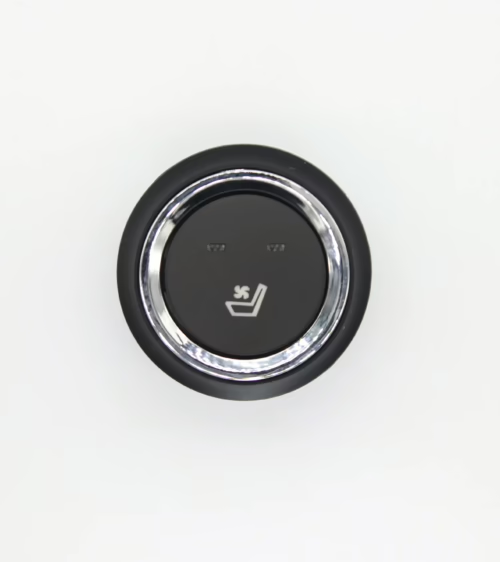
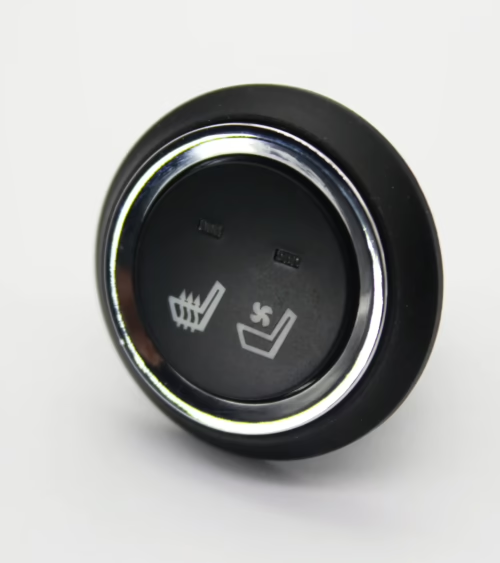
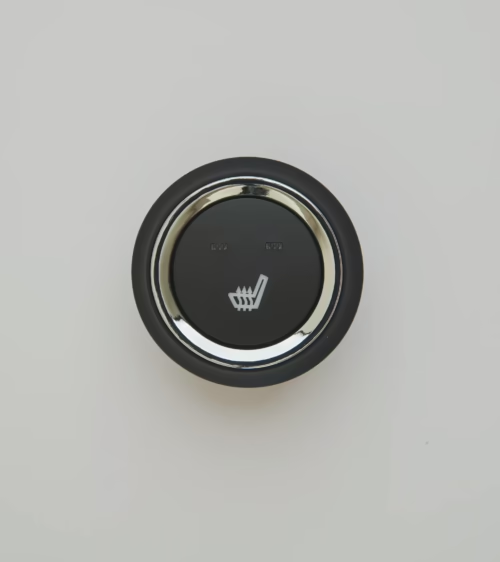
A malfunctioning Nissan Altima seat heater switch is one of the most common comfort-system complaints owners bring to independent shops and dealerships, especially once a vehicle passes the five-year mark.
The switch itself is a small, unassuming component, but it controls the entire heating circuit for the driver or passenger seat, and when it fails, the seat either stops heating altogether or gets stuck on one setting.
This guide walks through five of the most frequent failure causes, how to diagnose them correctly before buying parts, and what to look for when sourcing a replacement switch that will actually last.
Understanding the Nissan Altima Seat Heater Switch System
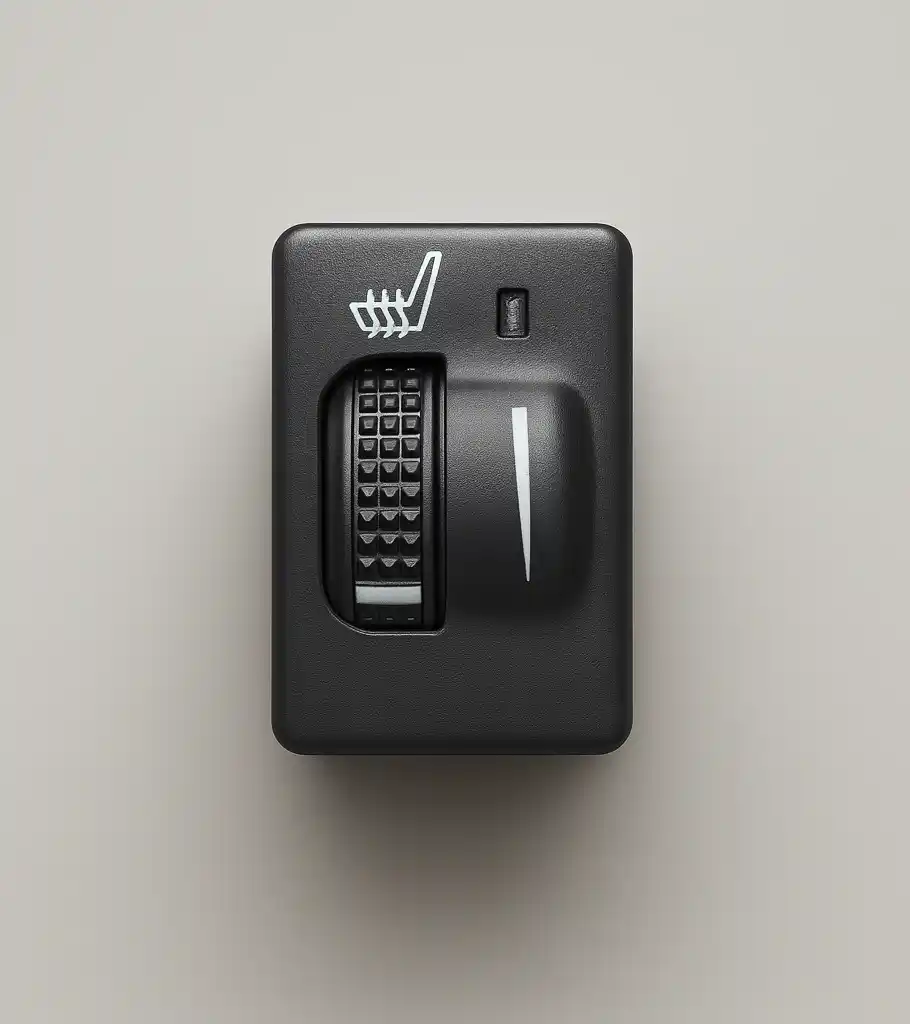
The Nissan Altima’s seat heating system is built around three main components:
- the heating pad embedded in the seat cushion and backrest
- a control switch mounted in the center console or seat trim
- a wiring harness that ties the two together through the body control module. The switch typically offers two or three heat levels
- on newer Altima trims (2019 and later) it may be integrated into a touch-panel climate control cluster rather than a standalone rocker switch. Regardless of the physical format
- the switch performs the same job: it completes or interrupts the circuit that sends current to the heating element
- on many models it also communicates a duty-cycle signal that regulates temperature rather than simply turning power on and off.
5 Common Reasons Your Nissan Altima Seat Heater Switch Fails
Understanding why these switches fail helps you diagnose the problem faster instead of guessing. The five most frequent causes are:
- Worn internal contacts — repeated pressing over years of use erodes the metal contacts inside the switch, leading to intermittent or no response.
- Cracked switch housing — UV exposure and console heat cycling make the plastic housing brittle, which can misalign the internal contact points.
- Corroded connector pins — spilled liquids or humidity intrusion around the console corrode the harness connector, cutting off power intermittently.
- Failed LED indicator — on switches with illuminated heat-level indicators, a burnt-out LED is sometimes mistaken for a dead switch when the heating function itself still works.
- Water damage from spills — coffee, water bottles, or car washes with open windows can seep into the console and short the switch board.
How to Diagnose a Faulty Seat Heater Switch
Before ordering a replacement, confirm the switch is actually the failure point rather than the heating pad or wiring harness.
Start by checking whether the seat warms at all on any setting — if it does, but the indicator lights are erratic, the problem is more likely the switch’s LED circuit than the heating function.
If the seat never warms, use a multimeter to check for voltage at the switch connector with the key on; no voltage points to a fuse or wiring issue upstream, while voltage present at the switch but not at the heating pad connector points squarely at the switch itself.
It’s also worth wiggling the harness connector while watching for intermittent heat, since a loose pin can mimic a dead switch.
Shops that do this diagnostic work regularly often keep a set of replacement seat heater switches on hand so a confirmed bad switch can be swapped in the same visit rather than scheduling a return trip.
Step-by-Step Replacement Guide
Replacing the switch on most Altima trims is a straightforward console-level job that doesn’t require pulling the seat itself:
- Disconnect the negative battery terminal before starting any electrical work.
- Carefully pry the switch bezel or console trim panel using a plastic trim tool to avoid scratching the surrounding surfaces.
- Disconnect the wiring harness clip from the back of the old switch.
- Inspect the connector pins for corrosion or bent terminals and clean them if needed.
- Snap the new switch into the harness connector, confirming a firm click.
- Reseat the switch into the console housing until it locks into place.
- Reconnect the battery and test all heat levels before closing everything up.
The entire process typically takes under thirty minutes once the correct part is in hand, which is why accurate diagnosis up front matters more than the installation itself.
OEM vs Aftermarket Seat Heater Switches
Owners and shops often ask whether to replace a failed switch with a factory Nissan part or a quality aftermarket equivalent. OEM switches guarantee an exact fitment and factory-matched button labeling, but they typically cost more and can have longer lead times through the dealer parts counter.
Aftermarket switches manufactured to OEM specifications offer the same electrical ratings and connector pinout at a lower price point, and reputable suppliers test each unit for contact durability before it ships.
The deciding factor should be the manufacturer’s quality control process rather than the OEM-versus-aftermarket label alone — a well-made aftermarket switch from a supplier that also produces heating pads and control modules for seat manufacturers will generally outperform a cut-rate OEM-branded knockoff sold on marketplaces with no traceable sourcing.
Seat Heater Switch Wiring and Circuit Basics
Most Altima seat heater circuits use a variable-resistance approach rather than a simple on/off relay, allowing the system to modulate temperature across multiple heat settings.
The heating element itself is often built around a thermistor-based temperature-sensing design, which lets the control circuit reduce current automatically as the seat surface approaches its target temperature, preventing overheating without requiring a separate temperature sensor.
The switch’s job in this circuit is to select the target duty cycle and pass a control signal to the body control module, which then manages the actual current delivered to the pad. Understanding this distinction is useful for diagnosis:
- a switch failure interrupts the control signal
- while a pad or thermistor failure affects heat output even when the switch itself is functioning correctly.
Maintenance Tips to Extend Switch Life
A few habits can meaningfully extend the service life of the switch and the surrounding console electronics. Avoid setting open drinks in the console cupholders directly next to the switch panel, since spills are one of the leading causes of premature failure.
Keep the console area clean and dry, and address any moisture intrusion immediately rather than letting it sit. If the switch develops a stiff or inconsistent feel before it fails outright, that’s usually an early warning sign worth addressing before the contacts fail completely.
For owners who want to browse heated seat components beyond just the switch, Lucky Driver’s full lineup of seat heating products covers pads, controllers, and switches for a wide range of Nissan and other domestic and import applications.
Frequently Asked Questions
Q:
- Can I test a Nissan Altima seat heater switch without removing it from the console?
A: Yes. With the console trim slightly pried back - you can access the harness connector and use a multimeter to check for voltage and continuity without fully removing the switch
- which speeds up diagnosis before committing to a replacement.
Q: Will a check engine or warning light appear if the seat heater switch fails?
A: No. Seat heater circuits are not tied to the engine management system, so a failed switch will not trigger a check engine light or a dashboard warning on most Altima model years.
Q: How long does a typical seat heater switch last before failing?
A: Most factory switches last well beyond 80,000 miles under normal use, but heavy daily use in cold climates, console spills, or UV exposure through the windshield can shorten that lifespan considerably.
If your Nissan Altima’s seat heater switch is unresponsive, stuck on one setting, or showing signs of wear, Lucky Driver Inc. supplies precision-tested seat heater switches, heating pads, and control modules built to OEM specifications for automotive shops, distributors, and seat manufacturers across North America.
Reach out to our team to find the right part for your vehicle and get your seats warming reliably again.
Related Articles
- 5 Signs Your Jeep Grand Cherokee Seat Heater Switch Is Bad
- Jeep Wrangler Heated Seat Switch: 2026 Complete Repair Guide
- Ram 1500 Heated Seat Switch: 2026 Complete Repair Guide
- GMC Sierra Heated Seat Switch: 2026 Complete Repair Guide
- Chevy Tahoe Heated Seat Switch: 2026 Complete Repair Guide
Frequently Asked Questions About nissan altima seat heater switch
Procurement engineers evaluating nissan altima seat heater switch for OEM programs regularly ask the following questions. Answers cover specification, compatibility, certification, and sourcing for nissan altima seat heater switch requirements.
What voltage ratings are available for nissan altima seat heater switch?
Standard nissan altima seat heater switch configurations support 12 V DC for passenger vehicles and 24 V DC for commercial trucks. Selecting the correct nissan altima seat heater switch voltage at the design stage eliminates harness rework later.
Lucky Driver maintains nissan altima seat heater switch inventory in both ratings for same-week shipment.
Which certifications apply to nissan altima seat heater switch production?
nissan altima seat heater switch assemblies entering OEM programs typically require UL recognition, REACH compliance, and RoHS documentation. Lucky Driver holds certification records for every nissan altima seat heater switch variant and includes copies with sample and production shipments.
How is watt density specified for nissan altima seat heater switch?
Watt density for nissan altima seat heater switch is expressed in W/cm² and ranges from 0.04 to 0.12 depending on heat-up time requirements. Lower watt density nissan altima seat heater switch designs improve element longevity, while higher values suit cold-climate applications.
Lucky Driver engineering reviews nissan altima seat heater switch requirements and recommends watt density based on your seat platform.
What connector families are used with nissan altima seat heater switch?
nissan altima seat heater switch harnesses are available with Molex, TE Connectivity, and Delphi connector families. Matching the nissan altima seat heater switch connector to the vehicle harness reduces assembly time and eliminates adapter cables.
Specify your harness format when requesting a nissan altima seat heater switch quote from Lucky Driver.
What is the lead time for nissan altima seat heater switch samples?
nissan altima seat heater switch samples from Lucky Driver’s North American warehouse ship within 3 to 5 business days for standard configurations. Custom nissan altima seat heater switch variants with modified pad geometry or connector pinouts require 4 to 6 weeks.
Contact Lucky Driver to confirm nissan altima seat heater switch availability before submitting your engineering schedule.