A seat heater turns the coldest part of any vehicle cabin — the seat surface itself — into a source of direct, radiant warmth. Whether factory-installed or added as an aftermarket kit, every seat heater relies on the same core components:
- a flexible heating element
- a temperature control circuit
- a switch. This guide explains how each part works
- the types available
- what to check before buying or installing one.
What Is a Seat Heater?
A seat heater is a resistive heating system embedded between a vehicle seat’s foam cushion and its upholstery. When current flows through the element, it generates heat that conducts through the seat cover and reaches the occupant within 30 to 90 seconds.
Because the warmth is delivered by direct contact rather than through the air, a seat heater feels effective long before the engine warms up enough for the HVAC system to blow hot air.
That is why heated seats remain one of the most requested comfort options in North American vehicles.
How a Seat Heater Works
Every seat heater operates as a simple circuit with four parts working together.
- Heating element: a serpentine wire or carbon fiber pad that converts electrical current into heat through resistive heating.
- Temperature sensor: an NTC thermistor embedded in the pad that reports surface temperature to the controller.
- Control module or relay: cycles power on and off to hold the target temperature and protect against overheating.
- Switch: the driver-facing control, typically offering high-low or three-level adjustment.
On a 12V system, a typical pad draws 3 to 6 amps per seat on high. The thermistor feedback loop is what separates a safe, automotive-grade system from a bare heating pad: without it, the element keeps heating until something fails.
Types of Heating Elements: Carbon Fiber vs. Wire
The element is the heart of the system, and two technologies dominate the market.
Resistance wire pads use a copper or alloy wire routed in a serpentine pattern across a fabric backing. They are inexpensive and proven, but a single wire break disables the entire circuit, and repeated seat flexing is the most common cause of failure.
Carbon fiber pads distribute current across thousands of conductive strands. Heat spreads more evenly, the pad tolerates folding and compression better, and a localized break does not kill the whole element. Most quality aftermarket kits and OEM programs have moved to carbon fiber for these reasons.
Factory Seat Heaters vs. Aftermarket Kits
Factory systems are integrated into the seat during manufacturing and controlled through the vehicle’s body electronics. They work well, but a failed element usually means expensive dealer service or living without heat.
An aftermarket seat heater kit installs under the existing upholstery of almost any vehicle. A universal kit includes one or two heating pads per seat, a wiring harness with relay and fusing, and a switch.
Installation requires removing the seat, fitting the pads under the covers, and wiring to a switched 12V source.
Aftermarket kits are also the standard solution for fleets, classic car restorations, and specialty builds — applications where no factory option ever existed. The same approach works for trucks, RVs, marine seating, and powersports vehicles, with 24V variants available for heavy equipment.
Choosing the Right Seat Heater
Five specifications determine whether a system will perform reliably.
- Voltage: 12V for cars and light trucks; 24V for commercial trucks and equipment.
- Wattage: 30–45W per cushion is typical; higher wattage heats faster but demands proper relay protection.
- Element type: carbon fiber for durability, wire for budget builds.
- Temperature control: look for a thermistor-regulated design, not a simple on-off pad.
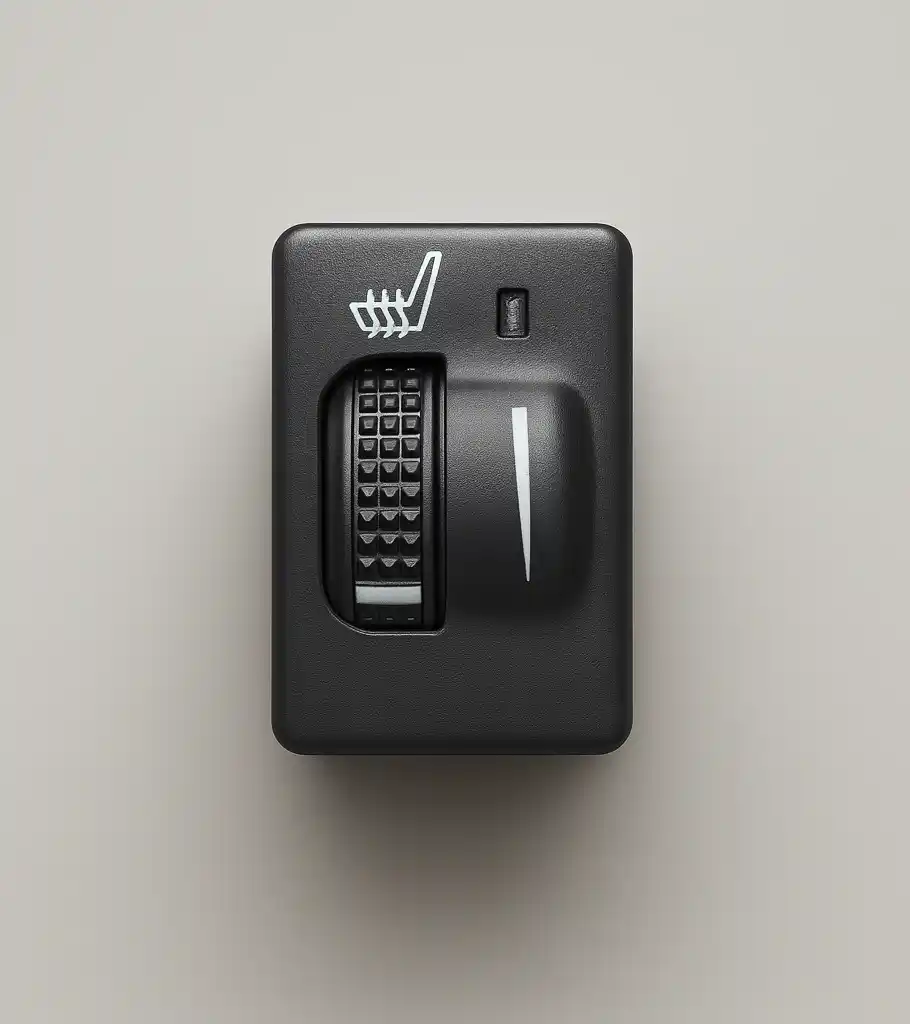
- Switch configuration: high-low, three-level, or rotary — matched to the harness pin-out.
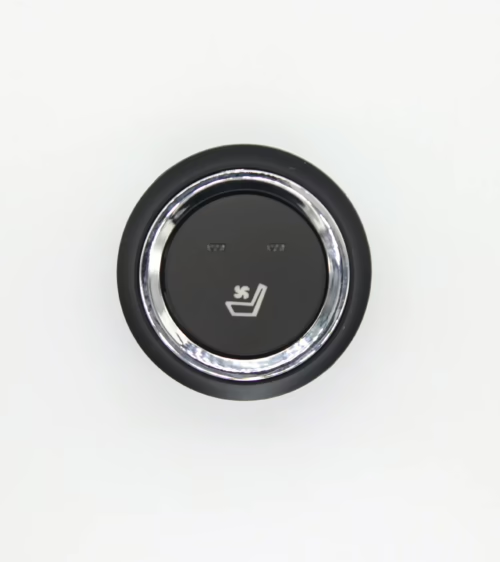
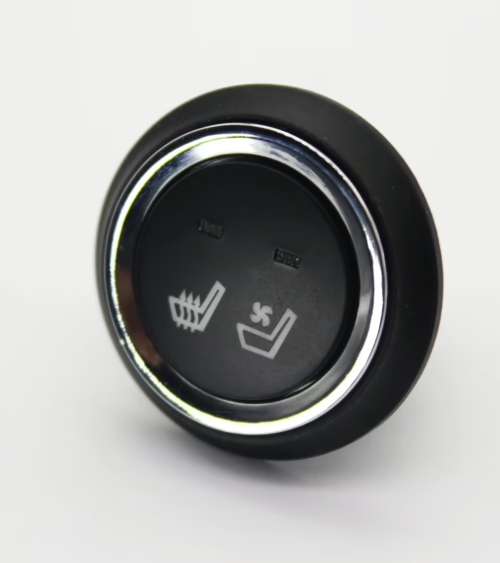
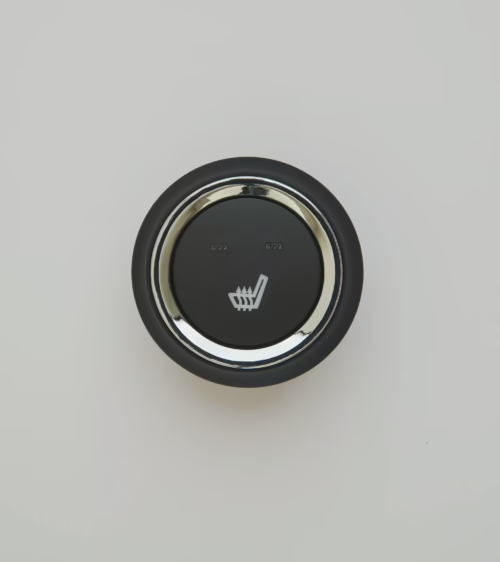
The switch deserves more attention than it usually gets. It carries the load current in many designs, so contact rating matters. Our seat heater switch catalog covers rocker, rotary, and round push-button styles in both universal and direct-fit versions.
Installation Overview
A typical two-seat installation takes two to four hours with hand tools. The sequence is consistent across vehicles.
- Disconnect the battery and remove the seats from the vehicle.
- Detach the upholstery (hog rings or J-clips) and position the pads on the foam.
- Route the harness away from seat rails and moving parts.
- Mount the switch in the dash, console, or seat trim.
- Wire to a switched ignition source through the supplied relay and fuse.
For a step-by-step walkthrough, see our seat heater installation guide. If you are retrofitting a vehicle with no factory option, the process in how to add heated seats to any car applies to nearly every platform.
Troubleshooting Common Failures
When a heated seat stops working, the cause is almost always one of four things.
- Blown fuse: the first thing to check, and often a symptom of a chafed harness.
- Failed switch: backlight works but no heat, or no response at all — test continuity across the switch contacts.
- Broken element wire: common on the seat bottom where flexing is constant; an ohmmeter across the pad confirms an open circuit.
- Faulty relay or module: clicking without output, or heat that never cycles off.
A pad that reads open circuit must be replaced rather than spliced — repairs rarely survive seat flexing. Replacement pads and switches are stocked items, so a failed component does not mean replacing the whole system.
Seat Heating and Ventilation Together
Many current seat programs pair heating with ventilation, using a fan and perforated upholstery to move air through the cushion in summer. Combined systems use dual-function controls, which is why several switches in our range manage both functions from one bezel.
For how the cooling side works, see how seat ventilation systems work.
Sourcing for Shops, OEMs, and Distributors
Lucky Driver Inc. supplies seat heating components from California inventory:
- carbon fiber heating pads
- switches
- harnesses
- control modules. Repair shops order single replacement parts
- seat manufacturers and distributors source program quantities with consistent specifications. You can browse all seat heating products or contact us for volume pricing and custom configurations — pad dimensions
- connector types
- switch styling can all be matched to your application.
Seat Heaters Beyond Passenger Cars
The same pad-and-switch architecture scales far beyond the family sedan. Each application changes one or two requirements, not the fundamentals.
- Commercial trucks: 24V electrical systems require 24V-rated elements and switches. Drivers spending ten hours in the seat also wear out elements faster, so fleets standardize on replaceable pads.
- RVs and vans: house-battery wiring makes fusing and amp draw the key questions. A heated seat draws far less than a space heater, which makes it efficient boondocking comfort.
- Marine seating: moisture resistance moves to the top of the spec sheet. Sealed connectors and corrosion-resistant terminals matter more than wattage.
- Powersports and UTVs: vibration is the enemy. Strain relief on the harness and a securely mounted switch prevent most field failures.
- Heavy equipment and tractors: operators in unheated cabs benefit most of all, and suspension seats accept standard universal pads.
For seat manufacturers, the takeaway is that one validated heating platform can serve several end markets with connector and voltage variants.
Safety and Overheat Protection
A properly engineered seat heater is a low-risk device. The failures that make headlines almost always trace back to missing protection layers, not the concept itself.
Quality systems stack at least three safeguards. The thermistor feedback loop cuts power when the pad reaches its target temperature. A dedicated fuse protects the circuit from shorts. And the relay isolates the switch from full load current, preventing contact welding.
Materials matter as well. Automotive-grade pads use flame-retardant backing that meets interior flammability requirements, and the element is insulated so a spilled drink cannot create a path to ground.
When evaluating a supplier, ask for the overheat protection method, the flammability rating of the pad material, and connector temperature ratings. A vendor who cannot answer those three questions quickly is not building automotive-grade product.
What a Seat Heater Costs
Budget expectations depend on which path you take.
- Universal aftermarket kit: roughly $40 to $150 per seat for the hardware, depending on element type and control options.
- Professional installation: typically $150 to $300 per seat in shop labor, since the upholstery must come off and go back on cleanly.
- Replacement switch: usually $10 to $40 — by far the cheapest fix when the symptom is a dead control rather than a dead pad.
- Replacement element: $25 to $80 per pad, plus the same upholstery labor as a new install.
- Factory option (new vehicle): commonly bundled into packages costing $500 or more, which is why retrofitting remains popular.
The economics explain a pattern repair shops see constantly: on older vehicles, owners skip the dealer quote and retrofit both front seats with a universal kit for less than the cost of repairing one factory seat.
Frequently Asked Questions
How much power does a seat heater use?
A typical 12V system draws 3 to 6 amps per seat on the high setting, or roughly 40 to 70 watts. Both seats running on high consume less power than a rear window defroster.
Can you install a seat heater on leather seats?
Yes. Heating pads work under leather, vinyl, and cloth. Leather conducts the warmth well; the only caution is keeping the pad wattage within the upholstery supplier’s recommended limits.
How long do seat heaters last?
A quality carbon fiber element typically outlasts the upholstery around it. Wire elements in high-flex seating positions commonly fail after 5 to 8 years, which is why the replacement market exists.
Cold mornings are a solved problem. Whether you are repairing a failed factory system, retrofitting a work truck, or specifying components for a production seat program, Lucky Driver Inc. stocks the pads, switches, and modules to do it — with US-based inventory and engineering support.
Reach out through our contact page or start with the catalog links above.