If you’ve typed heated seat installation near me into a search bar, you’re probably weighing whether to hire a local shop, visit a dealership, or install a kit yourself.
The good news is that seat heating has become a mainstream upgrade, and there are more qualified installers than ever — the challenge is knowing which option fits your vehicle, budget, and timeline.
This guide walks through five ways to find and vet an installer, what a proper installation actually involves, and how to avoid the most common mistakes that lead to a heater that fails within a year.
1. Independent Auto Upholstery and Accessory Shops
Independent upholstery shops are the most common answer to a “heated seat installation near me” search, and for good reason.
These shops already work inside seat foam and upholstery daily for repairs, so opening a seam, laying a heating pad, and closing it back up is routine work for them.
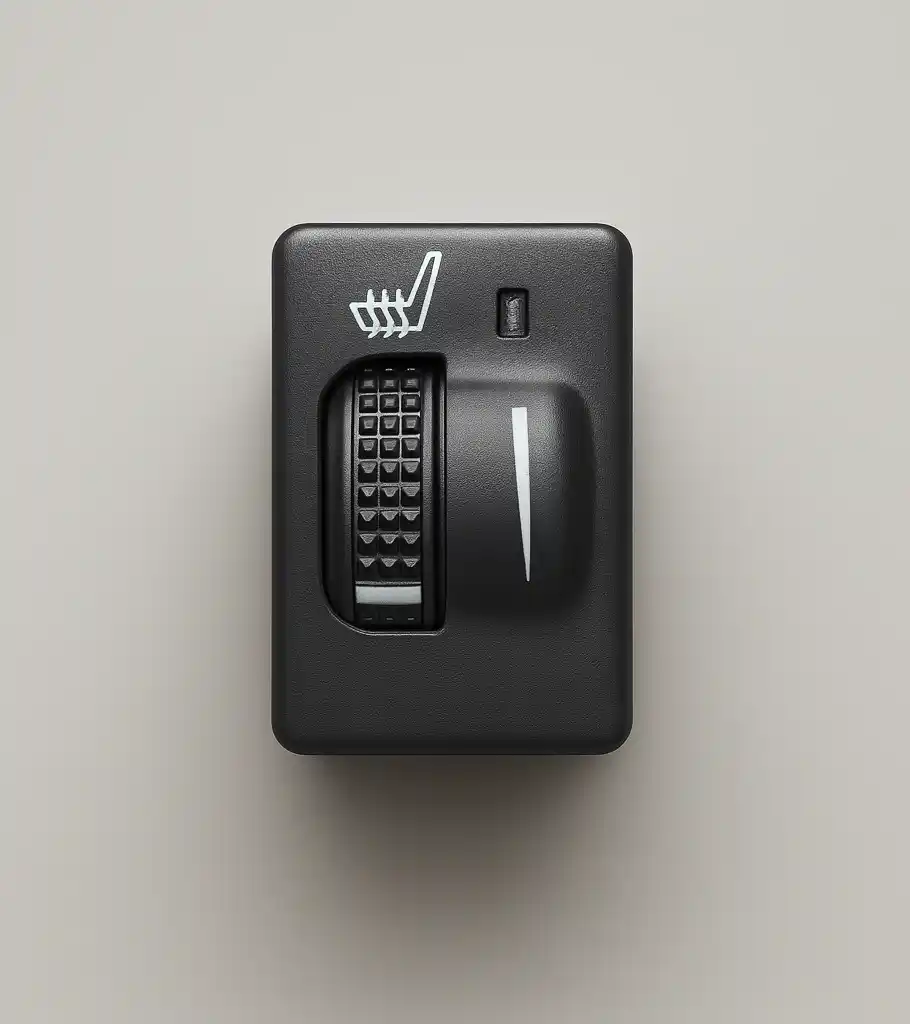
When evaluating a shop, ask specifically whether they’ve installed aftermarket seat heaters before (not just repaired factory ones) and whether they use a dash-mounted or console-mounted switch versus a factory-look toggle.
A shop that can show you a completed installation, explain fuse tap placement, and discuss heat settings is a strong candidate. Expect labor costs in the $80–$150 per seat range on top of parts, depending on your region and seat complexity.
2. Dealership and OEM Accessory Installation
Some dealerships offer factory-backed heated seat kits as a dealer-installed accessory, particularly for trucks and SUVs where the manufacturer already engineered a heater-ready wiring harness into base trims.
This is the safest route if you want the installation to remain under factory warranty, since dealer technicians follow the OEM service manual and use connectors matched to the vehicle’s existing wiring.
The tradeoff is cost — dealer labor rates typically run higher than independent shops — and availability, since not every model has a factory kit. Call your service department and ask directly whether a heated seat accessory exists for your trim level before assuming it’s not available.
3. Mobile Installers and Auto Electricians
Mobile automotive electricians who come to your home or office are a fast-growing category, especially in suburban and rural areas where nearby upholstery shops are scarce.
Because seat heater installation doesn’t require a lift or heavy equipment — just seat removal tools, a heat gun for shrink tubing, and basic wiring skills — a competent mobile technician can complete a two-seat install in a driveway in about two to three hours.
When booking a mobile installer, confirm they’re using an automotive-grade wiring harness with a properly fused connection, not simply splicing into the cigarette lighter circuit, which can overload under sustained heater draw.
4. Specialty Seat Heater and Retrofit Installers
A smaller number of shops specialize exclusively in seat heating, ventilation, and massage retrofits, often serving fleet operators, rideshare drivers, and cold-climate customers who need reliable heat every winter.
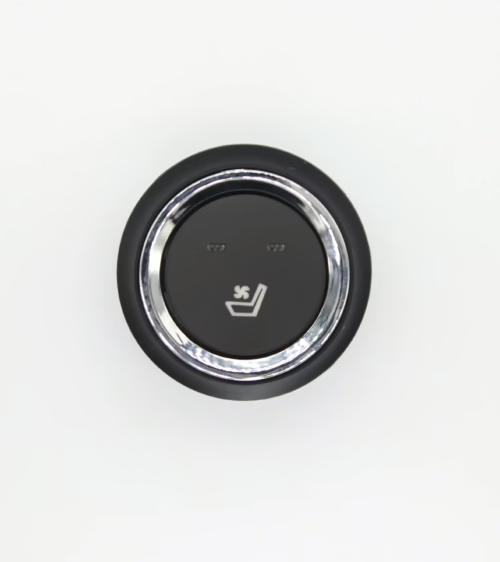
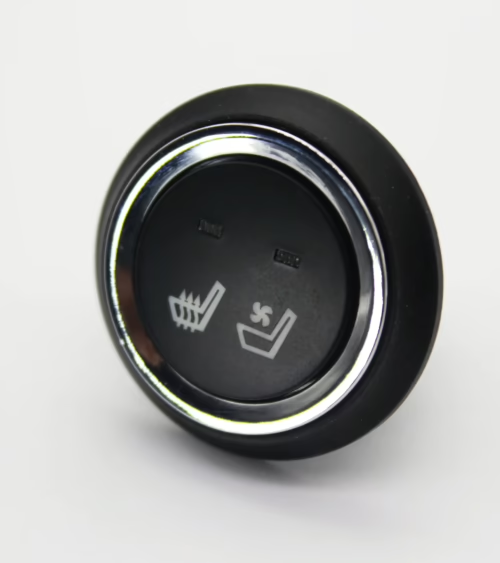
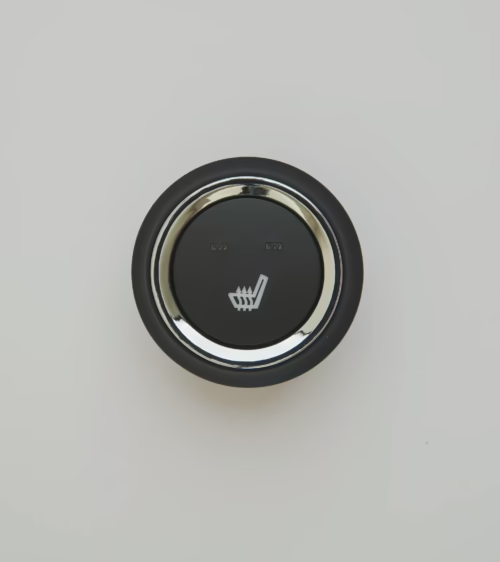
These specialists tend to carry a wider selection of pad shapes, dual-stage or variable-temperature controllers, and replacement seat heater switches that match OEM dash aesthetics rather than generic aftermarket toggles.
If your seats have unusual bolstering, lumbar airbags, or occupancy sensors for airbag deployment, a specialty installer is worth the extra search effort since they’re less likely to damage sensor wiring during disassembly.
5. DIY Installation as an Alternative to a Local Search
If local options are limited or pricier than expected, self-installation is a realistic alternative for anyone comfortable with basic hand tools.
A typical DIY kit includes a carbon-fiber or wire-element heating pad, an adhesive or hook-and-loop mounting system, a rocker or button switch, and a wiring harness that taps into a keyed 12V accessory circuit through an inline fuse.
The job requires removing seat covers (usually held by hog rings or plastic clips), placing the pad against the foam in the seat back and cushion, routing wires away from moving mechanisms like recline motors, and reinstalling the cover without pinching the heating element.
Most owners who search “heated seat installation near me” and find pricing too high end up completing this in an afternoon with a socket set, trim tools, and a multimeter to verify polarity before buttoning the seat back up.
Wiring and Electrical Safety Considerations
Regardless of who performs the installation, the wiring should always route through a fused connection sized to the heater’s amperage draw, and the ground connection needs a clean, corrosion-free chassis point.
Most quality heating pads use a positive temperature coefficient (PTC thermistor) heating element, which self-regulates resistance as it warms, reducing the risk of a hot spot or overheating compared to fixed-resistance wire.
A qualified installer will also test the circuit under load before closing up the seat, checking that the heater reaches temperature within the expected 60–90 seconds and that the switch or dash indicator responds correctly on both heat settings.
What a Proper Installation Checklist Should Include
- Seat cover removed without tearing hog ring anchor points or damaging seam stitching
- Heating pad sized and trimmed to match the seat back and cushion contour, avoiding bolster edges
- Wiring secured away from recline motors, seat rails, and heated-seat occupancy sensors
- Fused, keyed power source (not a constant-hot circuit that could drain the battery)
- Functional test of both heat and low settings before the vehicle is returned
- Switch or control module mounted securely with a clean, factory-style finish
If a shop skips the functional test or can’t explain how the circuit is fused, that’s a signal to keep looking rather than proceed with the install.
Comparing Cost and Turnaround Across Options
Pricing varies more by installer type than by geography. Independent shops and mobile electricians typically fall in a similar range once parts and labor are combined, while dealership installs run higher due to shop rates and OEM part markups.
DIY remains the lowest-cost path since you’re only paying for parts. Turnaround time follows a similar pattern:
- a shop or mobile technician can usually complete both front seats in half a day
- a dealership may require scheduling a service appointment days out
- a DIY install depends entirely on your own pace and comfort disassembling seats. Before committing to any option
- it’s worth comparing parts pricing directly — you can browse seat heating kits and components to see what a comparable DIY setup would cost against a quoted local installation.
Choosing the Right Heating Kit Before You Book an Installer
Not all seat heater kits are built the same, and the kit you choose affects both installer difficulty and long-term durability. Carbon-fiber element pads flex better with seat foam over years of use than rigid wire-coil pads, reducing the chance of a cracked element after repeated compression.
Dual-zone kits that heat both the seat back and cushion independently offer more even warmth than single-zone pads, and a variable-temperature controller gives more control than a simple high/low toggle.
If you’re gathering quotes from local installers, bring your preferred kit specifications with you (or ask the shop to source that specific type) so pricing quotes are comparing the same hardware rather than a generic pad the shop happens to stock.
Frequently Asked Questions
How much does heated seat installation typically cost near me?
Most independent shops and mobile installers charge labor in the range of $80–$150 per seat, plus the cost of the heating kit itself.
Dealership installs tend to run higher due to standard service labor rates, while DIY installation only costs the price of the kit.
Can any seat be retrofitted with a heater, or only certain models?
Most cloth and leather seats can accommodate a retrofit heating pad, though seats with built-in massage functions, occupancy sensors, or side airbags require more care during installation to avoid damaging existing components.
A specialty installer familiar with your seat type is the safer choice for these configurations.
How long does a heated seat installation take?
A single seat typically takes one to two hours for an experienced installer, including seat removal, pad placement, wiring, and reinstallation. Both front seats can usually be completed in a single appointment lasting three to five hours.
Whether you choose a local shop, a mobile electrician, or a DIY install, the reliability of your heated seats comes down to the quality of the components going into them.
Lucky Driver Inc. supplies seat heating pads, control switches, and heater modules engineered for durable, direct-fit installation, giving installers and DIYers alike the parts to get the job done right the first time.
Related Articles
- Aftermarket Heated Seats Cost: 2026 Guide to 5 Price Tiers
- Heated Seat Retrofit Kit: A 7-Step Buyer’s Guide (2026)
- Add Heated Seats to Chevy Silverado: 5 Proven Methods (2026)
- Add Heated Seats to Honda Civic: 5 Steps (2026 Guide)
- Add Heated Seats to Toyota Tacoma: 4 Proven Methods
Frequently Asked Questions About heated seat installation near me
Procurement engineers evaluating heated seat installation near me for OEM programs regularly ask the following questions. Answers cover specification, compatibility, certification, and sourcing for heated seat installation near me requirements.
What voltage ratings are available for heated seat installation near me?
Standard heated seat installation near me configurations support 12 V DC for passenger vehicles and 24 V DC for commercial trucks. Selecting the correct heated seat installation near me voltage at the design stage eliminates harness rework later.
Lucky Driver maintains heated seat installation near me inventory in both ratings for same-week shipment.
Which certifications apply to heated seat installation near me production?
heated seat installation near me assemblies entering OEM programs typically require UL recognition, REACH compliance, and RoHS documentation. Lucky Driver holds certification records for every heated seat installation near me variant and includes copies with sample and production shipments.
How is watt density specified for heated seat installation near me?
Watt density for heated seat installation near me is expressed in W/cm² and ranges from 0.04 to 0.12 depending on heat-up time requirements. Lower watt density heated seat installation near me designs improve element longevity, while higher values suit cold-climate applications.
Lucky Driver engineering reviews heated seat installation near me requirements and recommends watt density based on your seat platform.
What connector families are used with heated seat installation near me?
heated seat installation near me harnesses are available with Molex, TE Connectivity, and Delphi connector families. Matching the heated seat installation near me connector to the vehicle harness reduces assembly time and eliminates adapter cables.
Specify your harness format when requesting a heated seat installation near me quote from Lucky Driver.
What is the lead time for heated seat installation near me samples?
heated seat installation near me samples from Lucky Driver’s North American warehouse ship within 3 to 5 business days for standard configurations. Custom heated seat installation near me variants with modified pad geometry or connector pinouts require 4 to 6 weeks.
Contact Lucky Driver to confirm heated seat installation near me availability before submitting your engineering schedule.